How to Measure a Lamp Shade
Date Published: – Last Updated:
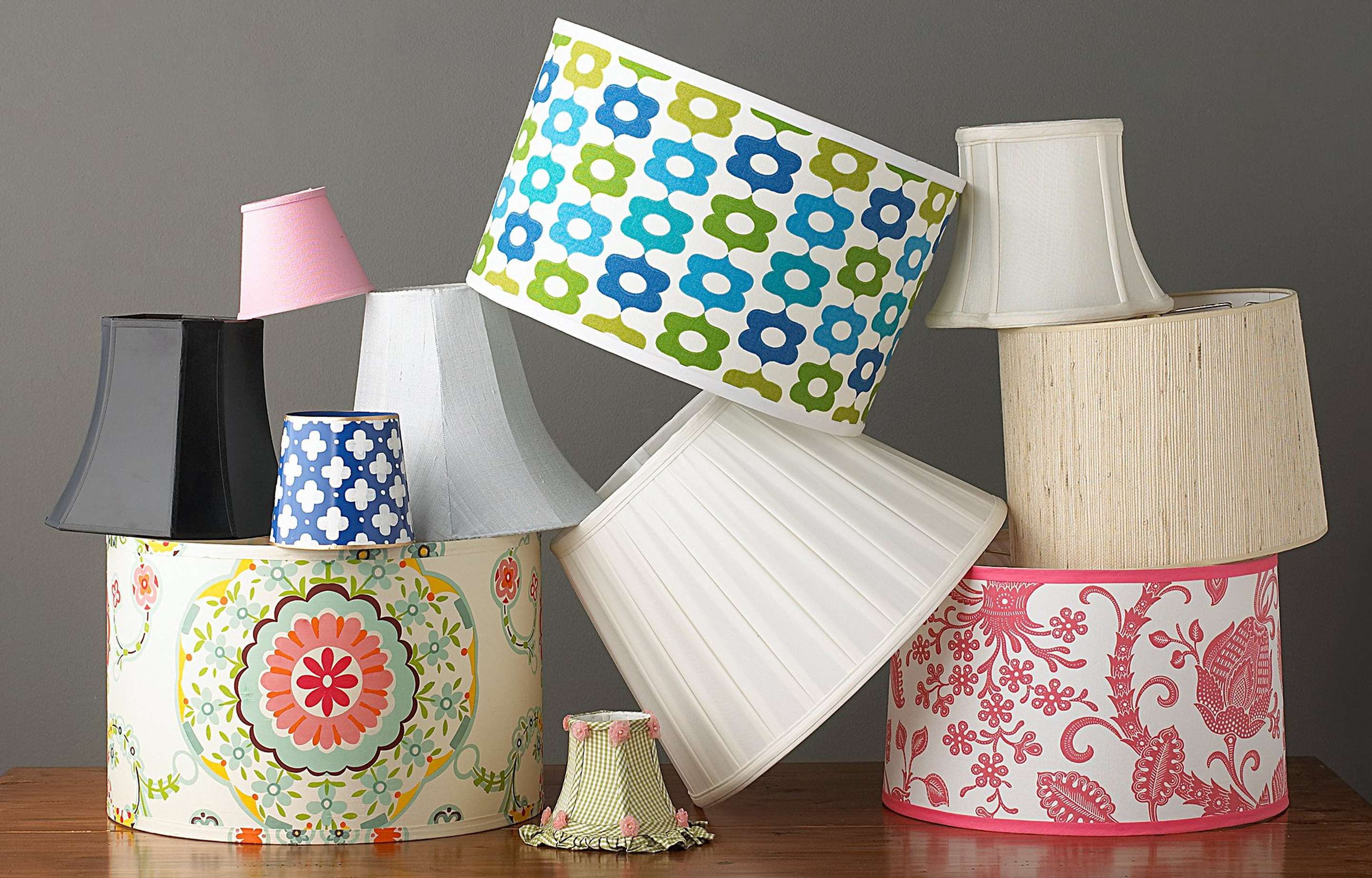
Let’s face it, for the uninitiated, lampshade shopping can be a real chore. Determining what size lampshade you need for your table or floor lamp doesn’t have to be complicated but it does require a little know-how when it comes to lampshade dimensions and how those measurements are determined. Not sure how to know what size lampshade to buy? We have pulled together a few guidelines to help answer your questions, including one we hear a lot: How do you measure a lampshade?
Lampshade Measurement Guidelines
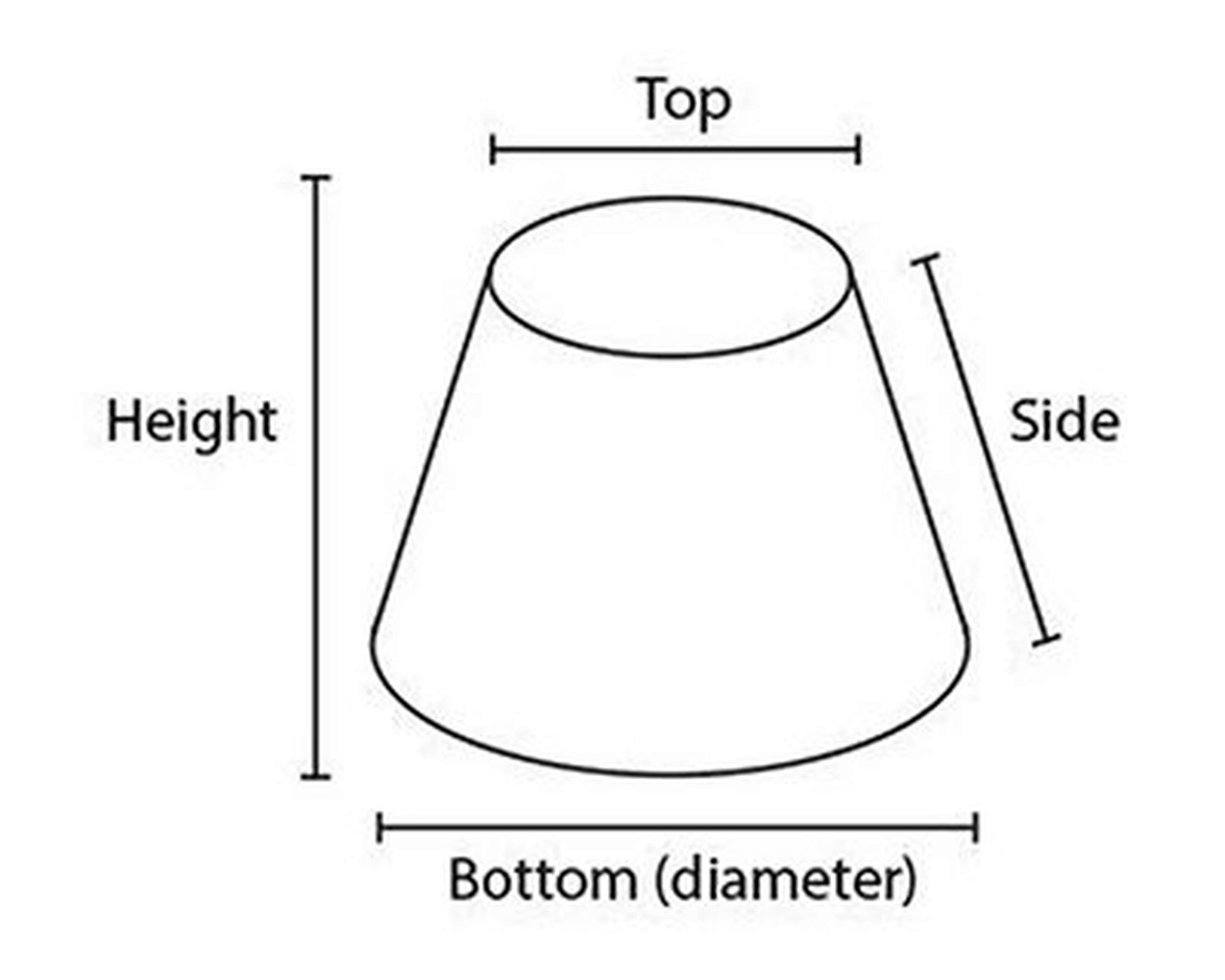
Lamp shade measurements are listed with three main dimensions: Top x Bottom x Side. If a lamp shade is round or square, one number will be listed for each of these dimensions. Rectangular or oval shades will typically have both the length and width listed for both the top and bottom dimensions. Use the following method to measure your lamp shade.
-
Top: For round or square shades, measure across the top of the shade. For rectangular or oval shades, measure both the length and the width of the shade.
-
Bottom: Repeat this process for the bottom of the shade.
-
Side: Measure along the side of the lamp shade, following the slant if the top is slimmer than the bottom.
-
Height: Measure from the top of the shade straight down, rather than following the slant.
When measuring the height and slant of a shade, consider that lamp shades with steep slants have a longer ‘side’ measurement than ‘height.’ Once you’ve recorded these lamp shade dimensions, shopping for your replacement shade will be a breeze!
How Big Should My Lamp Shades Be?
If you do not have an existing shade to measure, the guidelines below will give you the proper fit for your lamp. A good general rule to follow for sizing lampshade height is to measure the lamp itself from the base to the bottom of the socket; choose a shade roughly two-thirds that number for table lamps, and one-fourth that number for floor lamps. To determine a range of heights to search within, multiply the height of your lamp by 60% to 70% for table lamps, and 25% to 40% for floor lamps. If only three dimensions are provided for your prospective lampshade, use the ‘side’ measurement in place of height—the ‘side’ and ‘height’ of the shade will be identical in shades with no taper, and fairly similar in tapered shades unless it has a particularly steep slant. Let’s test these formulas!
Table Lamp Measurement
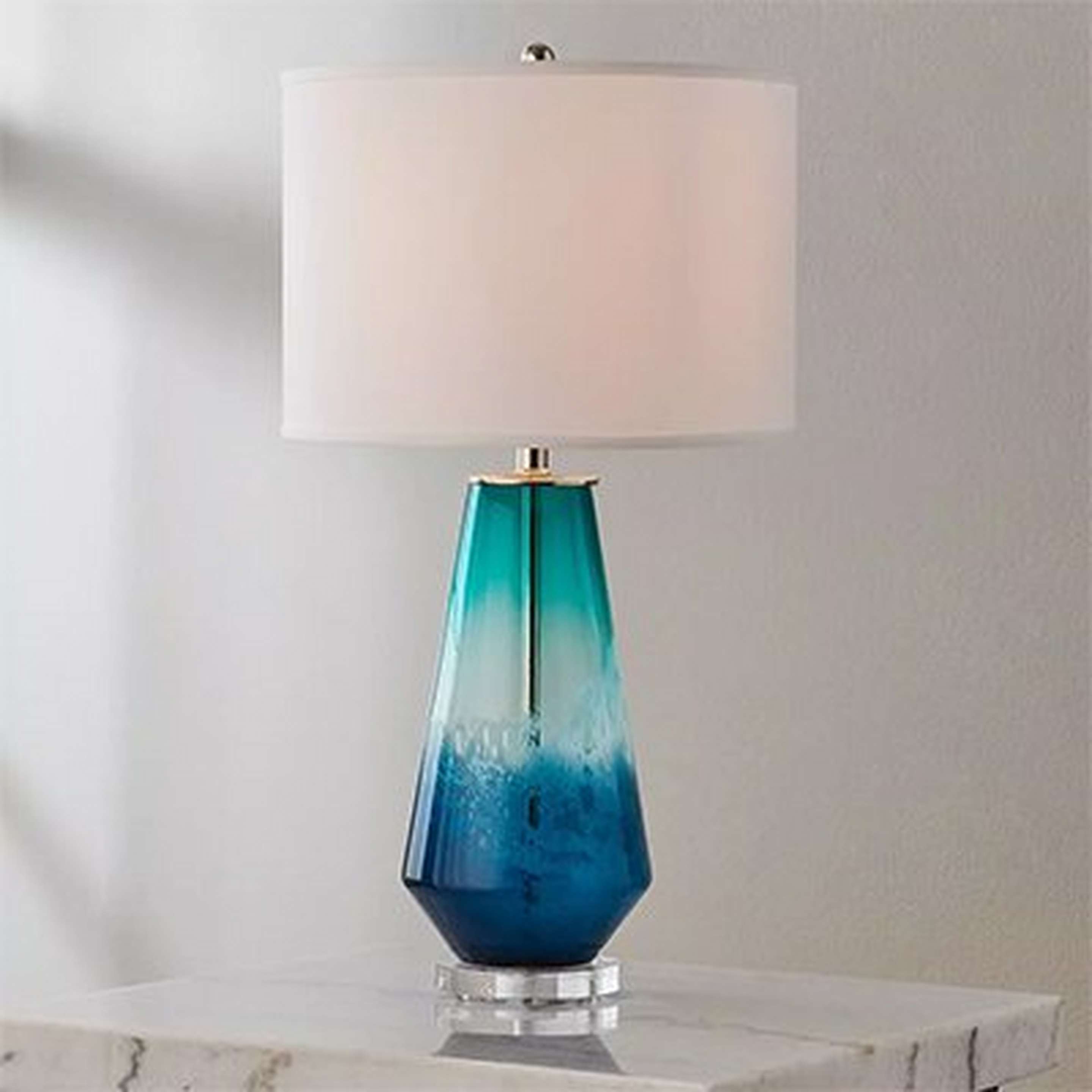
Our Rockland Table Lamp is about 18.5” high from the base to the bottom of the socket. Find two-thirds of the height of the lamp by multiplying that number by .66 for example: 18.5 x 0.66 =12.21. To find a range, multiply the height by 60% and 70%. For example: (18.5 x.6 = 11.1) and (18.5 x.7 = 12.95) This lamp can take shades between 11” and 13” high. The Rockland Table Lamp comes with an 12” shade, which is a perfect match for this fixture!
Floor Lamp Measurement
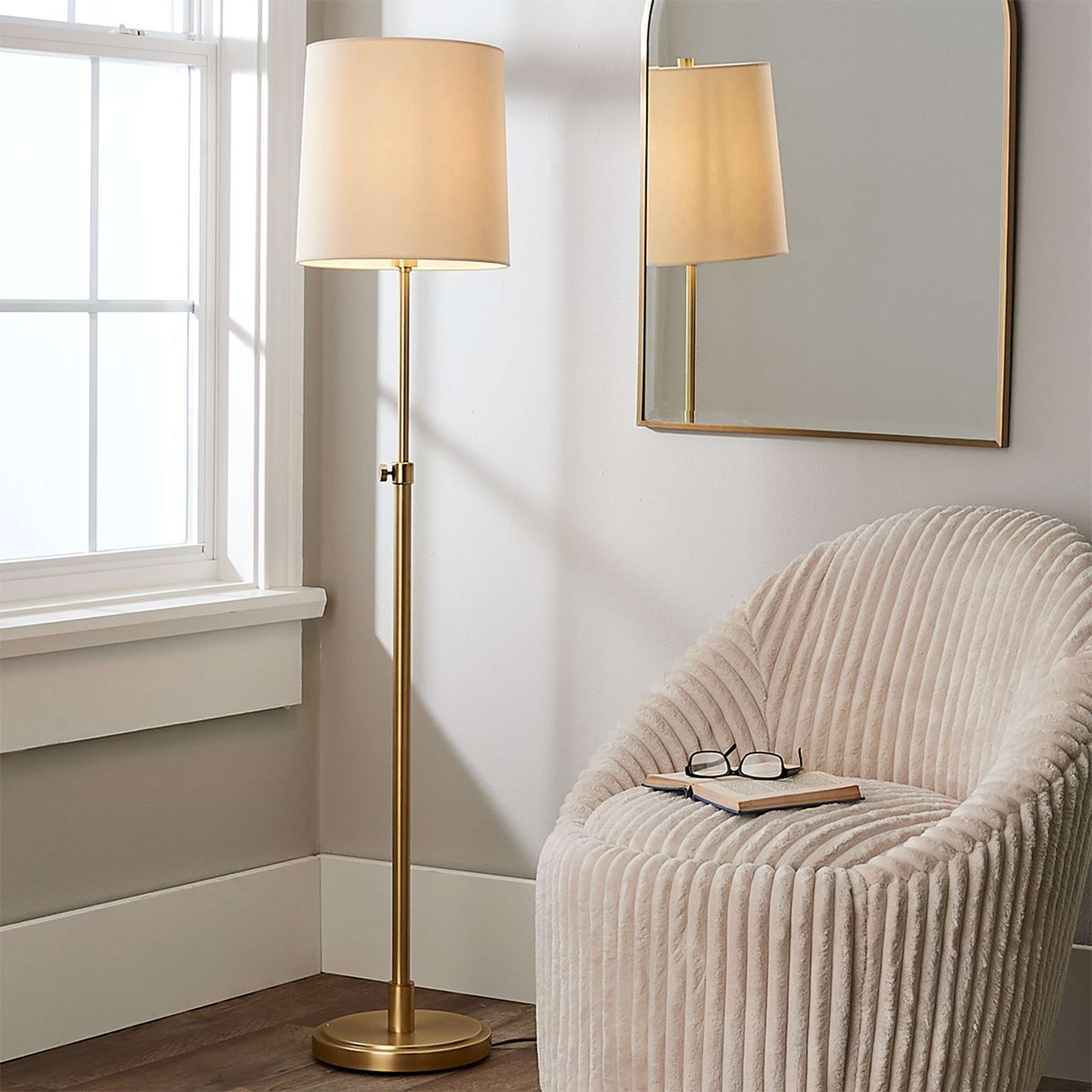
We can use the same method for floor lamps, but multiply by .25 to determine one-fourth the height of the lamp. Our Country Club Adjustable Floor Lamp has a height of roughly 35” (Example: 35 x 0.25 = 8.75) To find a range, multiply by 25% and 40% (Example: 35 x 0.25 = 8.75 and 35 x 0.4 = 14).
This lamp can take shades between 8.75” and 14” high. The Country Club Adjustable Floor Lamp comes with a shade that is 10.5” high—right within the suggested range for this fixture!
Keep in mind, an inch or so in either direction can still work if the shade you’ve fallen in love with is just outside the suggested range. If you are torn between two shades, go with the larger one.
Lamp Shade Diameter Measurements
Lampshade size is usually expressed in terms of the bottom diameter— a 16" shade has a base that is 16” wide—so this number will be essential for refining your lampshade search. There are two recommended ways to find the ideal lampshade diameter for your lamp.
To use the height of the lamp to find the perfect shade diameter, simply find a shade with a diameter within two inches of the height of the lamp. A lamp that is ten inches high can take a shade that is between eight to twelve inches wide.
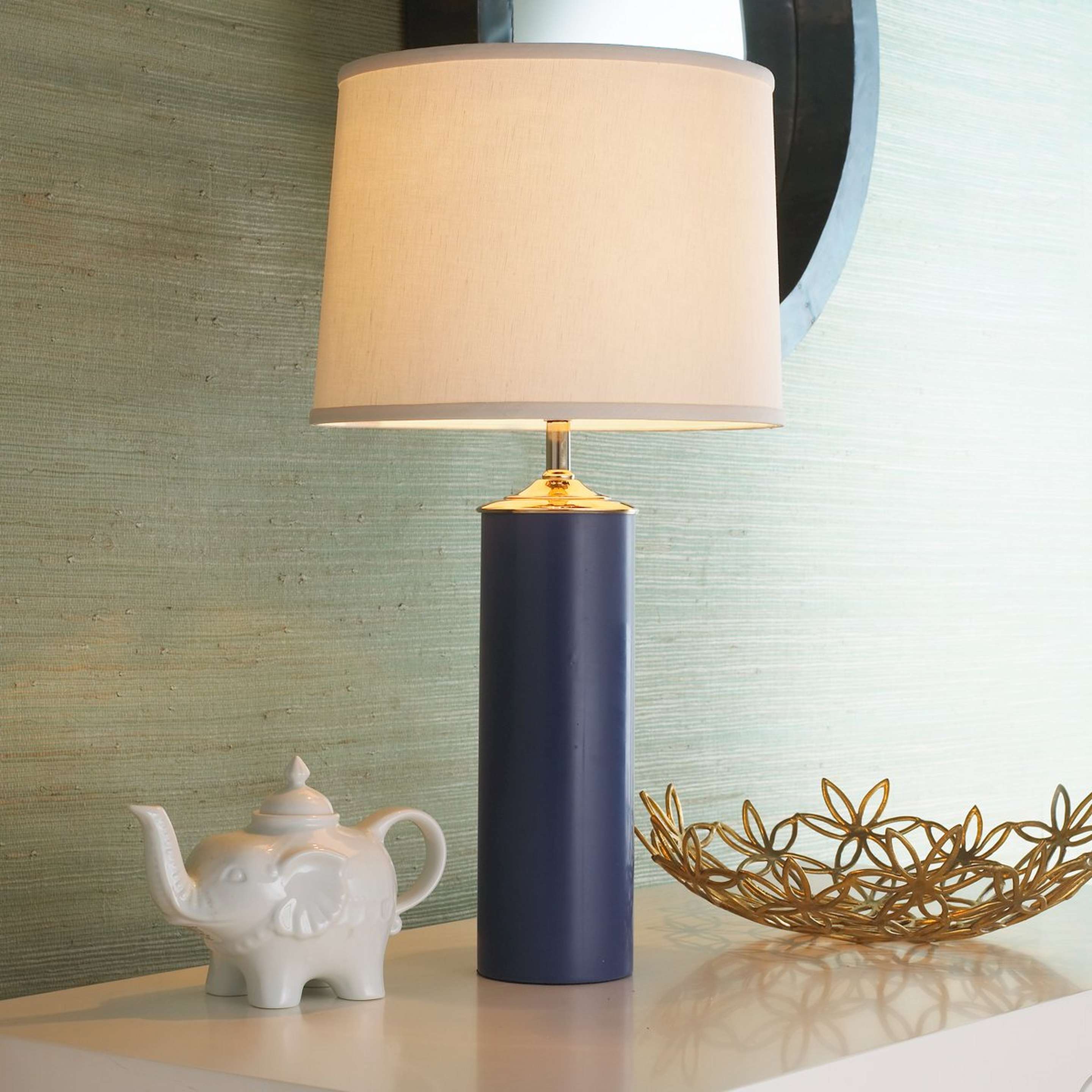
The Modern Ceramic Cylinder Table Lamp has a height of 13” and comes with a shade that is 12” wide!
Alternatively, you can find the shade diameter needed for your lamp by doubling the width of the lamp. A lamp that is eight inches wide needs shade that is sixteen inches wide. This method is best for floor lamps, which are too tall to use the height to determine shade width.
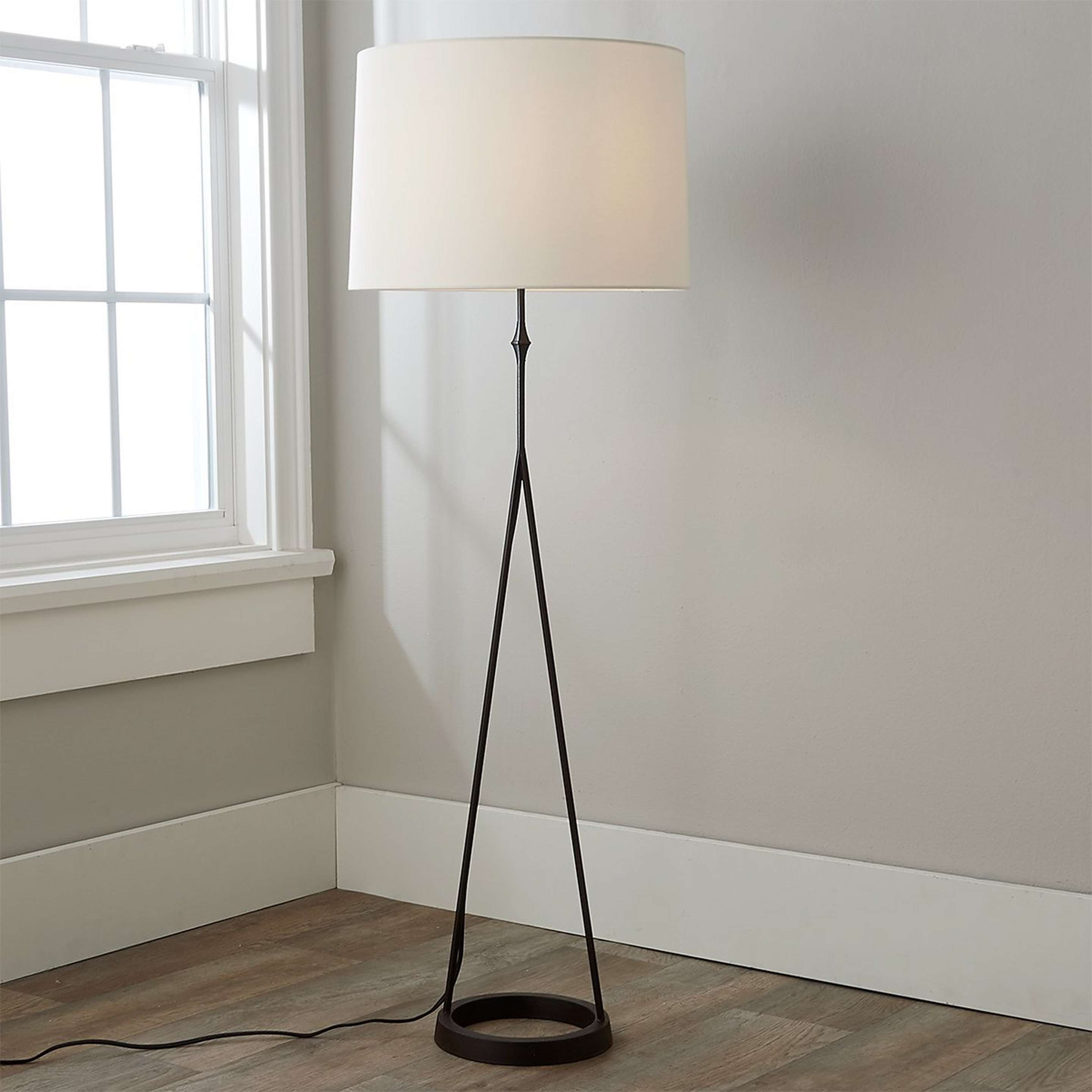
The A-Line Floor Lamp is 10” wide at the base, making a shade roughly 20” across ideal; the included shade for this lamp is 18.5” wide!
How to Choose a Lampshade
That takes care of our technical questions concerning lampshade size—but lampshades are more than just numbers and equations! The perfect shade can take your room decor to the next level, and there are limitless options as far as shape, color, style, and material are concerned. As you hone in on your brand-new lampshade, use these tips and suggestions to spark your creativity and refine your search.
-
Use the style of the lamp as a jumping-off point. Search for shades in the same style as your lamp—we will not stop you from pairing a shiny geometric patterned shade with your traditional floral table lamp, but you might find your design to be a little disjointed! Generally, the more ornate the lamp, the simpler the shade should be, and vice versa; super minimalist lamps can look fantastic with eye-catching patterned shades in fun shapes or colors, while elaborately patterned lamps benefit from classic tapered shapes and smooth neutral colors.
-
Repeat the shape(s) in the lamp body in the shade shape. Square lamps can rock rectangular or square shades, and globe lamps look great with cylindrical shades! You can also accent certain shapes in your lamp by using the shade—for example, if the body of your lamp rests upon a square base, an angular shade can help draw attention to that element regardless of the shape of the lamp’s body.
-
Match lampshade colors to the tones in the lamp, or to the accent color in your room to tie your decor together.
-
Think outside the box! These formulas are a great place to start but don’t be afraid to break some rules if the shade calling out to you doesn’t fit within these guidelines.
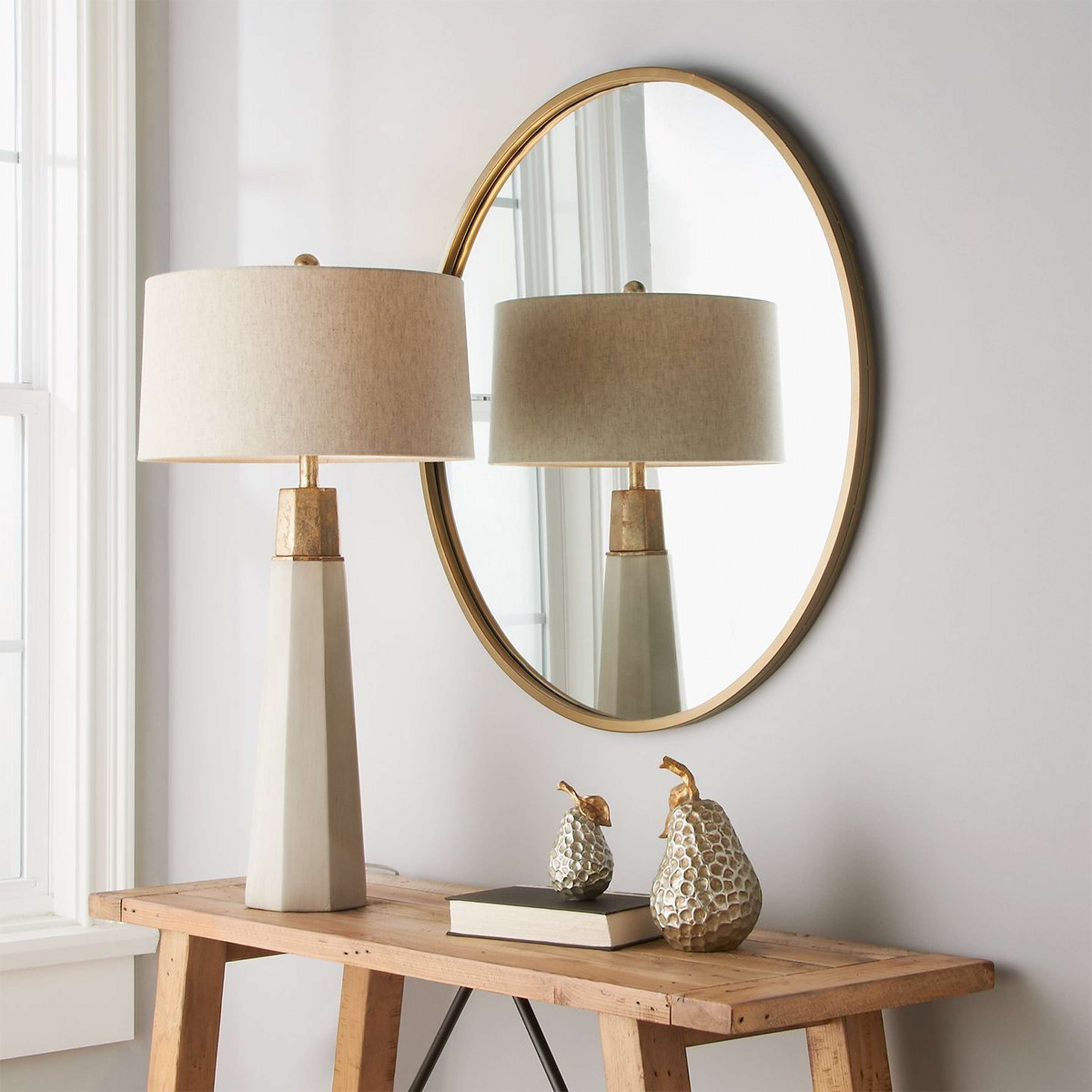
Our Erika Table Lamp is an absolute stunner, and proof that there are always exceptions to the rule—the shade on this lamp is shorter and narrower than we usually recommend based on the lamp dimensions, and still looks fantastic! This lamp also does a great job of illustrating how simpler shades pair with striking lamp bases—the classic drum shade in a neutral color accents the geometric shape of the body and the fun splash of gold at the top without overwhelming the design.
Lampshade Selection Considerations
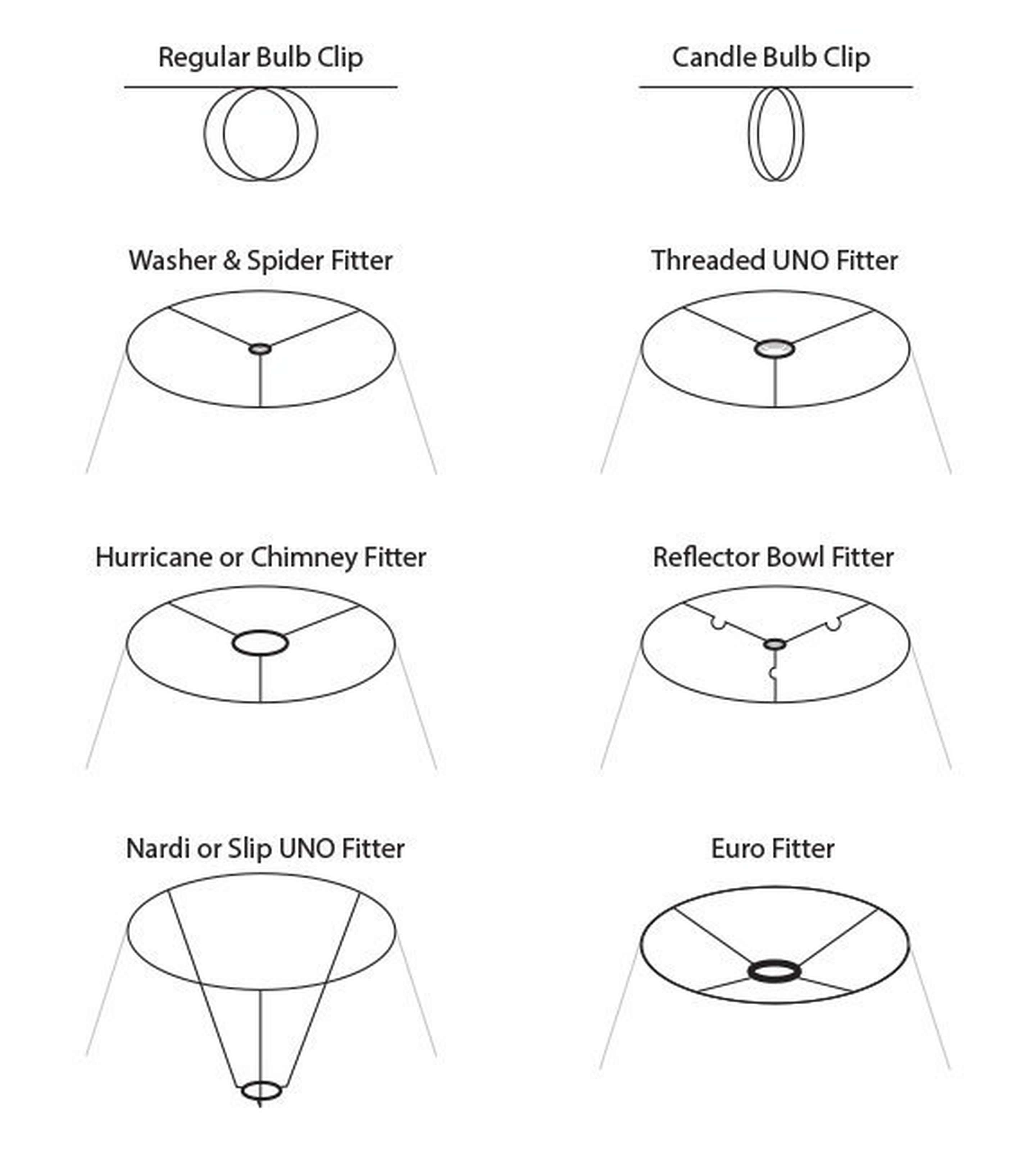
- Fitter: Lampshades are not universal! Check your lamp base and any existing shade to determine what style of fitter your new lampshade should have. Check out our Lampshade Buying Guide for more info about fitters and fitter adaptors! If you are still not sure what fitter you need, give us a call at (800)-262-6612, or email us at CustomerCare@qynbrolxevix.online; our stellar customer service agents will be thrilled to help!
-
Wattage: Lampshades often have their own wattage ratings, which should not be exceeded regardless of the max allowable wattage of the lamp. A table lamp rated for 150 watts but paired with a shade rated for 75 watts must use a bulb with wattage no greater than 75 watts. Tip: LED bulbs can help you get around this requirement since they offer the same level of illumination at much lower wattages (and they save energy too!).
-
Illumination: The shade you choose will affect how bright the lamp is. Shades in light colors and made of fabric will usually allow some light to pass through the shade itself, increasing illumination. Shades in dark colors, tight weaves, or opaque materials only allow light to shine out of the top and bottom, and so are more suited to use as mood lighting or accent lighting in rooms with other fixtures.
-
Shade Position: The bottom of the shade should fall at eye level to avoid annoying glares—if you intend to use the lamp next to your sofa, the shade should block the light when you are sitting on the sofa. Only about half the neck of the shade should be visible—with no harps or sockets showing. You may need to purchase a new harp that fits your new shade to get this positioning just right!
Frequently Asked Questions About Lamp Shades
Q: What size lamp shade should be used for a standard lamp? A: The lamp shade should be roughly twice as wide as the lamp base, and one third of the total height.
Q: How to fit a lamp shade to a lamp base? A: Start by measuring the height and width of the lamp base to help get the proportions of the shade right.
Q: What are lampshade attachment types? A: The three most common lamp shade attachment types are: spider fittings, uno fittings, and clip-on fittings.